


 Recreational Vehicle
 BUS Floor
 Subway Floor
 Coach Floor
 School Floor
 Hospital Floor
 LVT Flooring
 Sports Flooring
 Office Floor
 Paving tools
 Rubber Floor


 Jetlee


Homogeneous Flooring Makes School Floors Safer and Cleaner
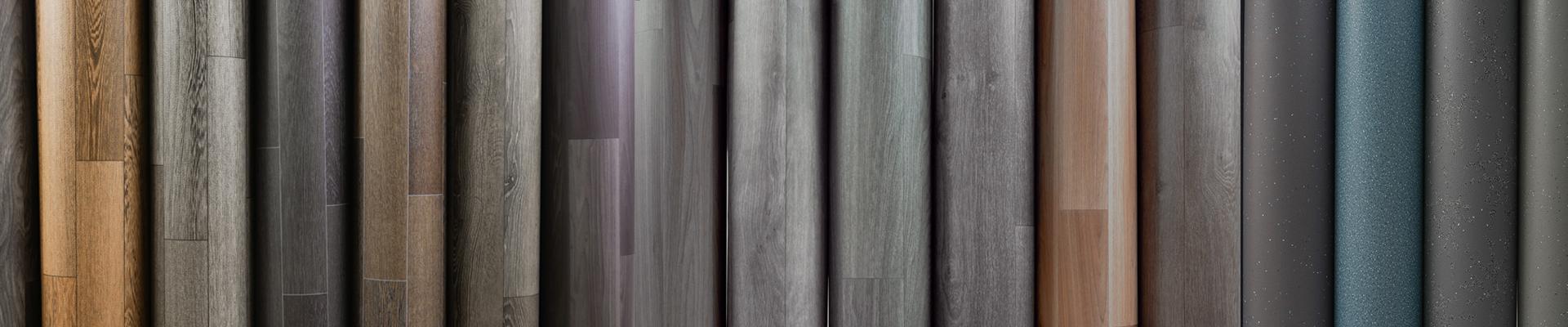
Homogeneous flooring gives you a modern way to keep school floors safe and clean. Many schools struggle with injuries, germs, and constant cleaning. You can see how this flooring helps by looking at the facts:
- 27% of school injuries come from flooring accidents. Homogeneous flooring lowers slips and trips with its slip-resistant surface.
- Poor maintenance and dirty floors cause more student absences and sickness.
| Feature | Benefit |
|---|---|
| Seamless surface | Blocks bacteria and makes cleaning simple |
| Slip resistance ratings | Keeps students safe, even in wet areas |
| Low maintenance | Saves you time and reduces disruptions |
Key Takeaways
- Homogeneous flooring reduces slips and trips with its slip-resistant surface, enhancing student safety.
- The seamless design prevents tripping hazards, making hallways and classrooms safer for everyone.
- Non-porous surfaces block germs and bacteria, promoting a healthier school environment.
- Easy maintenance saves time and money, allowing staff to focus more on teaching and less on cleaning.
- Durable flooring lasts 20 to 30 years, minimizing repair costs and disruptions to school activities.
Safety Benefits of Homogeneous Flooring

Slip Resistance for Accident Prevention
You want students to feel safe as they walk through busy hallways and classrooms. Homogeneous flooring helps you prevent accidents by offering strong slip resistance. The surface of Lantise flooring has a high coefficient of friction (COF), which means shoes grip the floor better. This feature is important because 55% of all accidents in schools happen from slips or trips. When you choose flooring with a COF of 0.6 or above, you give students and staff better stability. Lantise’s anti-slip properties work well in wet areas, such as entrances and corridors. The UV coating adds another layer of safety by making the surface less slippery and easier to clean.
Tip: Entrance systems like barrier matting can remove up to 95% of dirt and moisture from shoes, lowering the risk of slips and falls even more.
Seamless Design Reduces Tripping
Tripping hazards often come from uneven surfaces or gaps between tiles. Homogeneous flooring uses a seamless design, so you do not see joints or edges that could catch a shoe. This smooth installation keeps the floor flat and safe, especially in high-traffic areas. The low-profile structure of Lantise flooring means you get easy installation without creating trip hazards.
Here is a quick look at how seamless flooring helps:
| Feature | Safety Benefit |
|---|---|
| Seamless surface | No gaps or edges to trip over |
| Low-profile design | Easy installation, fewer hazards |
| Consistent thickness | Stable walking surface everywhere |
A seamless floor also makes cleaning easier, so you do not have to worry about dirt building up in cracks. You keep your school safer and cleaner every day.
- A higher coefficient of friction gives better traction, which is crucial for preventing slips and falls in busy school areas.
- Flooring with a seamless design reduces tripping hazards and helps you maintain a safe environment for everyone.
Lantise homogeneous flooring also includes flame retardancy. This feature protects your school by slowing down the spread of fire, giving you more time to respond in an emergency. You get peace of mind knowing your floors help keep students and staff safe.
Cleanliness and Hygiene Advantages
Non-Porous Surface Blocks Germs
You want your school to stay clean and healthy for everyone. Homogeneous flooring gives you a non-porous surface that blocks germs, dirt, and moisture from getting inside. This means bacteria and viruses cannot hide or grow in cracks or gaps. Studies show that non-porous surfaces, like stainless steel, limit the survival of germs much better than porous materials. These surfaces make it harder for bacteria and viruses to live for long periods, even when the environment changes.
Lantise flooring goes further by adding antimicrobial treatment during manufacturing. This special layer stops bacteria and mold from growing. Untreated surfaces cannot do this. The antimicrobial agents in the flooring break down the cell walls of harmful microbes and stop them from spreading. You lower the risk of infections and keep the air cleaner for students and staff.
- Antimicrobial flooring reduces the risk of infections by limiting the growth of bacteria.
- It helps maintain better indoor air quality.
- The surface resists many types of harmful microorganisms.
| Key Feature | Description |
|---|---|
| Seamless | Creates a smooth, monolithic surface for a more sterile environment. |
| Non-Porous | Stops dirt, moisture, and bacteria from entering the floor. |
| Easy to Clean | Supports hygiene and cleanliness in busy school environments. |
Easy Cleaning and Maintenance
You need floors that are quick and simple to clean, especially in busy schools. Homogeneous flooring is designed for easy maintenance. The seamless surface means you do not have to scrub dirt out of joints or cracks. Stain resistance keeps the floor looking new and stops dirt from building up. This feature also helps you meet strict hygiene standards in schools.
Resilient flooring, like homogeneous flooring, covers a large part of the commercial market because it is durable and easy to care for. You can clean these floors with less time and fewer resources compared to other types. The surface resists chemical agents, such as disinfectants, which helps keep your school safe and looking good.
- Homogeneous flooring uses materials that reduce allergens and pollutants.
- Easy cleaning helps control dust and keeps the air fresh.
- The flooring is ideal for classrooms, gyms, and corridors where cleanliness matters most.
Tip: Regular cleaning with simple tools keeps your floors safe and bright, saving you time and effort every day.
Durability and Longevity
Withstands Heavy Foot Traffic
You see students and staff moving through hallways, classrooms, and gyms every day. Floors in these areas need to handle constant use without showing signs of damage. Homogeneous flooring gives you a strong surface that stands up to daily wear and tear. The single-layer PVC structure keeps the floor looking new, even when hundreds of people walk on it. You do not have to worry about fading or losing color because the material stays consistent throughout its thickness.
- Homogeneous vinyl flooring resists daily wear and tear.
- The uniform composition helps the floor keep its shape and appearance.
- You can use this flooring in busy areas like corridors, classrooms, and gymnasiums.
- Schools choose this type of flooring because it lasts longer than many other options.
Resists Wear and Tear
You want a floor that does not scratch or stain easily. The UV coating on Lantise flooring acts as a shield. It protects the surface from scratches, stains, and fading. You get a floor that stays bright and clean, even after years of use. The coating also blocks damage from sunlight, so the colors do not change over time.
- UV coating creates a barrier against damage and discoloration.
- The floor resists scratches and stains, making cleaning easier.
- You spend less time and money on repairs or replacements.
Here is a quick look at how long different flooring types last in schools:
| Flooring Type | Average Lifespan (Years) |
|---|---|
| Homogeneous Flooring | 20 - 30 |
| Laminate | 15 - 25 |
| Vinyl | 10 - 20 |
| Hardwood | 75 - 100 |
| Tile | 50+ |
You get a reliable solution with homogeneous flooring. It works well in classrooms, gyms, and corridors. The floor keeps its strength and appearance, even in high-traffic areas. You make a smart choice for your school’s future.
Cost-Effectiveness for Schools
Lower Maintenance Costs
You want to make smart choices that help your school save money over time. Homogeneous flooring gives you a strong surface that lasts for years. You do not need to worry about frequent repairs or replacements. Many schools find that this type of flooring can last 15 to 20 years with only basic care. When you choose a floor that needs less work, you lower your maintenance costs by up to 40%. For example, a large hospital reported saving almost half on floor upkeep after switching to homogeneous vinyl. They did not need to replace the floors for at least ten years.
Here is a quick comparison:
| Flooring Type | Service Life (Years) | Maintenance Cost Reduction |
|---|---|---|
| Homogeneous Vinyl | 15-20 | 40% |
| Ordinary PVC Floors | 5-8 | N/A |
You can see that longer-lasting floors mean fewer expenses. When your budget is tight, every dollar counts. Choosing a floor that stands up to daily use helps you spend less on repairs and more on what matters most—your students.
Fewer Disruptions to Activities
You want your school day to run smoothly. Floors that need constant repairs can interrupt classes and activities. Homogeneous flooring helps you avoid these problems. Many school designers now pick materials that need less upkeep. This choice means your staff spends less time on floor care and more time helping students.
- Richard Hunt, a project designer, says schools now avoid high-maintenance floors.
- Watts points out that school owners invest in strong flooring to handle daily wear.
- Biniker notes that easy-to-clean floors let staff focus on other important tasks.
You also benefit from Lantise’s ability to handle large projects and offer custom designs. You can match your school’s style and needs without extra hassle. When you pick a floor that lasts and looks good, you keep your school running without delays.
Tip: Fewer repairs mean less noise and fewer interruptions during the school day. Your students and teachers can focus on learning.
Homogeneous flooring gives you a cost-effective solution that supports your school’s goals. You save money, reduce stress, and create a better place for everyone.
You improve your school’s safety and cleanliness when you choose homogeneous flooring. Floors stay free from germs and slips, helping students learn in a healthy space. You save money with fewer repairs and less cleaning. Experts recommend using skilled installers and checking the floor before installation for best results.
- Clean floors lower the spread of illness.
- Slip-resistant surfaces prevent accidents.
- Easy maintenance boosts productivity.
A safer, cleaner school starts with the right flooring. Upgrade your facility and create a better environment for everyone.
FAQ
What makes homogeneous flooring safer for schools?
You get slip-resistant surfaces and seamless installation. These features help prevent accidents in busy areas. The flooring also includes flame retardancy for extra protection.
How does homogeneous flooring help keep schools clean?
You clean the non-porous surface quickly. Antimicrobial treatment blocks bacteria and mold. Stain resistance keeps the floor looking fresh.
Tip: Regular cleaning with simple tools keeps your floors safe and bright.
Can you use homogeneous flooring in gyms and corridors?
Yes, you can. The strong PVC structure withstands heavy foot traffic. You see lasting performance in classrooms, gyms, and hallways.
How long does homogeneous flooring last?
You expect 20 to 30 years of service life. The UV coating protects against scratches and fading. You spend less on repairs and replacements.
| Flooring Type | Lifespan (Years) |
|---|---|
| Homogeneous Flooring | 20 - 30 |
Is it possible to customize the flooring for my school?
You choose from many colors and patterns. Lantise offers customization for large projects. You match your school’s style and needs.